When Your Squad Moves On Without You: The Gaming Friendship Breakup Nobody Warns You About
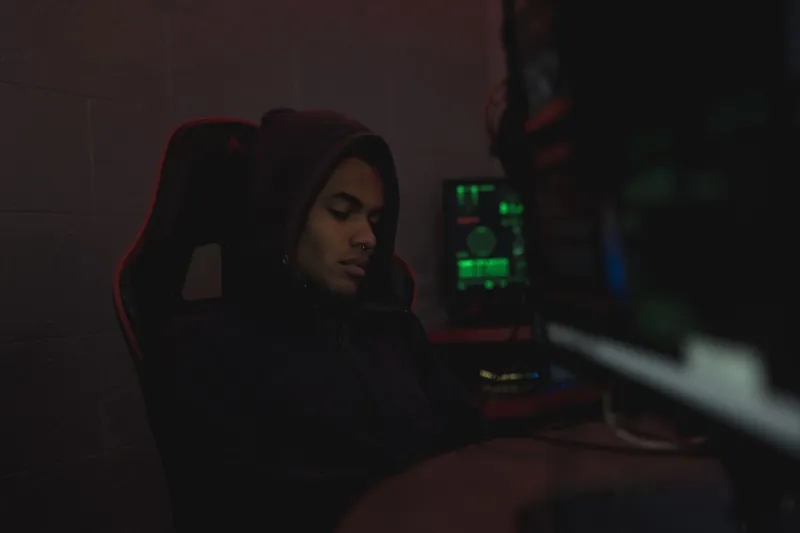
There's no notification for it. No cutscene, no dramatic dialogue, no boss music swelling in the background. One day you're running raids together every Friday night, and the next you're sitting in an empty party lobby wondering when exactly things changed. The gaming friendship breakup is one of the most quietly devastating experiences in online communities — and almost nobody talks about it.
If you've ever felt that particular brand of loneliness, you already know what we mean. And if you haven't, give it time.
The Invisible Skill Gap
It usually starts small. One friend discovers a new build, grinds ranked matches obsessively for a few weeks, and suddenly they're two divisions ahead of everyone else in the group. Another gets recruited into a more competitive guild. Someone's little brother turns out to be a prodigy who fast-tracks them into higher-level circles. Before long, the casual lobby you all used to share starts feeling like a mismatch.
Skill gaps in gaming aren't just about performance — they're social dividers. When one player is consistently carrying while others are struggling to keep up, the dynamic shifts. The better player starts feeling held back. The others start feeling like a burden. Nobody says anything out loud because these are your friends, but the tension is real and it compounds over time.
What makes this especially rough in gaming versus, say, a recreational sports league, is that the performance gap is visible in real time, every session. There's no off-season to reset expectations. The scoreboard doesn't lie, and it's always right there on the screen.
The Time Zone Problem Nobody Plans For
Gaming crews often form organically — college roommates, coworkers, people who met in a Discord server three years ago. For a while, everyone's on roughly the same schedule. Then life happens. Someone moves across the country for a job. Someone has a kid. Someone switches to night shifts. Suddenly the 9 PM EST session that used to pull six people now gets two, maybe three on a good night.
Time zones are the slow death of many gaming friendships because they're not dramatic. There's no fight, no falling out. It's just... logistics. And logistics, over time, can unravel even the tightest squads. You start playing with whoever is available, you build new habits, and the old crew becomes something you check in with occasionally rather than the people you log on for.
This is the version of the story that gets the least sympathy because it feels so mundane. But anyone who's lived through it knows that losing your gaming group to geography and scheduling is just as real a loss as any other kind.
The Guild Recruitment Trap
Then there's the scenario that feels the most like a betrayal, even when it isn't: the guild poach. Your most dedicated player gets noticed by a more serious group — better organized, more competitive, running content you haven't touched yet. They get an invite. They accept. And suddenly they're in a different world, logging on at different times, talking about different strategies, bonding with different people.
From the outside, it can feel like abandonment. From the inside, it's usually just ambition meeting opportunity. Neither perspective is wrong, but the collision between them is where friendships get quietly fractured.
MMO communities especially know this dynamic well. Progression-based games are almost structurally designed to sort players into tiers, and those tiers come with their own social ecosystems. Moving up means moving in — and that often means moving away from the people you started with.
Why Gaming Friendships Feel More Fragile
Here's the thing that makes all of this harder: gaming friendships are built on shared experience in real time. You're not just friends with someone — you've survived wipes together, celebrated clutch wins, spent hours in voice chat doing absolutely nothing important and somehow loving every second of it. That kind of bonding is intense and genuine.
But it's also conditional in a way that other friendships aren't. The shared context is the game, and when the game changes — or when people's relationships to the game change — the foundation shifts. You can still care about someone deeply and have almost nothing left to do together if you're no longer in the same corner of the same virtual world.
Real-life friendships have more neutral ground. You can grab coffee, catch a movie, just exist in the same space without needing to perform or compete. Gaming friendships don't always have that fallback. When the game isn't working as a connector anymore, the friendship can feel like it has nowhere left to stand.
Navigating the Drift Without Losing the Person
So what do you actually do when your crew starts fragmenting? A few things tend to help — though none of them are magic.
Keep a low-stakes channel open. Even if you're not playing together regularly, staying in a group chat or Discord server keeps the social thread alive. Memes, highlights, random life updates — these small touchpoints matter more than people realize.
Be honest about the shift. This one's uncomfortable, but it works. Acknowledging out loud that things have changed — without blame — can actually relieve tension. "Hey, I know we're not grinding the same stuff anymore, but I still want to stay connected" goes a long way.
Find the overlap. Maybe you're not in the same ranked bracket anymore, but you can still hop into a casual game mode together. Maybe you don't play the same titles, but you both watch the same streamer or care about the same esports team. Look for the new common ground instead of mourning the old one.
Let some friendships evolve. Not every gaming friendship is meant to last forever at the same intensity. Some of the best ones transform into something quieter and more durable — people you check in with, celebrate milestones with, maybe squad up with once in a while when nostalgia strikes. That's not failure. That's just how relationships grow.
The Part Nobody Says Out Loud
The hardest part of a gaming friendship breakup isn't the absence of the person — it's the absence of the version of yourself that existed in that lobby with them. Those late-night sessions, the inside jokes that don't translate outside the game, the feeling of belonging to something specific and shared — all of that was real, and losing it is a legitimate grief.
PixelHive is built on the belief that gaming communities are some of the most meaningful social spaces people have right now. That's exactly why it hurts so much when they fracture. The connections you build here aren't lesser than the ones you build anywhere else. They're just different — and sometimes, that means the losses are different too.
If your squad has drifted and you're still logging on hoping things go back to the way they were, you're not alone. And if you've made it through one of these quiet breakups and come out the other side with a better understanding of what you need from your community — you're already ahead of most people who never even let themselves admit it hurt.